

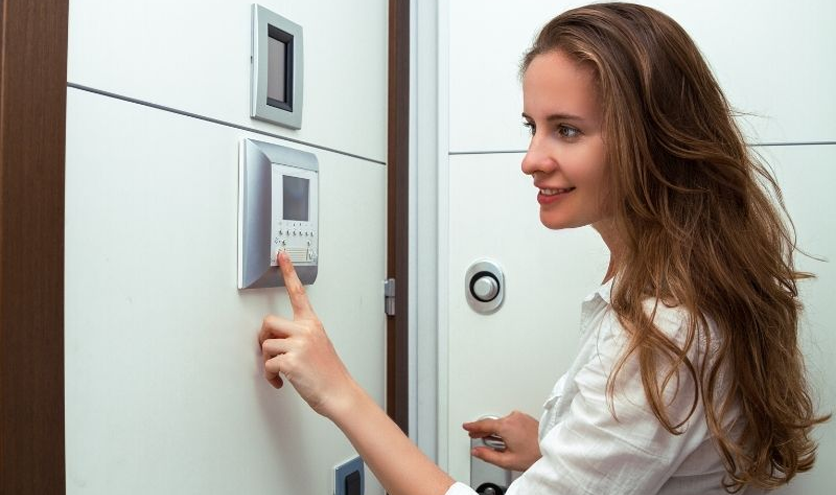
When it comes to securing your property, few tools are as effective and convenient as an intercom system for home, apartment, or business. A modern intercom system with door release allows you to control who enters while making it simple for residents, employees, or visitors to communicate before granting access.
This guide explains what an intercom system is, explores the major types, compares audio and video intercom systems, and highlights the best use cases. By the end, you’ll know how to select the right intercom access control system to enhance security and convenience for your property.
Key Takeaways
- Intercom systems provide two-way communication between visitors and occupants, improving both security and convenience.
- Options include wired intercom systems, wireless intercom systems, video intercom systems, touchless intercom systems, and smart intercom systems that integrate with other devices.
- Audio intercoms are affordable but less secure, while video intercom systems offer stronger protection by letting you visually verify visitors.
- Use cases include residential intercom systems, commercial intercom systems, school security systems, and industrial security systems.
- Features like remote monitoring, mobile intercom apps, and cloud-based intercom systems make modern setups scalable and user-friendly.
What is an Intercom System?
So, what are intercoms exactly? An intercommunication system is a network of devices that enables two-way communication between people inside a building and those at entry points such as front doors, gates, or lobbies. Unlike traditional locks, an intercom security system allows occupants to speak with visitors, verify their identity, and, if appropriate, unlock doors using an intercom with door release system.
Home intercom systems might include just a simple intercom doorbell and speaker, while an apartment intercom system or commercial intercom system may feature video intercom systems, directories, and integration with smart devices like smartphones.
Wiring for Intercom System
Traditional installations rely on cabling. 2-wire intercom setups are the most basic, supporting audio only. On the other hand, 3-wire intercom and 4-wire intercom systems allow for additional functionality like call control and door release. Modern buildings are increasingly using PoE (Power over Ethernet) networks to power IP intercom systems, which makes cabling more efficient and supports high-quality video and data transmission.
Property owners and managers often rely on an intercom system wiring diagram during installation to ensure reliable connections between base stations, substations, and electronic door locks such as electric strike locks or magnetic strike locks.
Types of Intercom Systems
There are several types of intercom systems, each designed for different properties and security needs. Below are the most common options, along with how they work and why they may be the right fit for your building.
1. Wireless Intercom Systems
A wireless intercom system uses Wi-Fi, cellular data, or radio signals instead of cabling, making installation faster and less disruptive. They’re ideal for large properties where scalability is important, often paired with mobile intercom apps to provide remote access from smartphones.
2. Wired Intercom Systems
A wired intercom system relies on stable cabling infrastructure, often with 2-wire intercom, 3-wire intercom, or 4-wire intercom configurations. These systems deliver consistent performance, remain highly tamperproof, and are favored in industrial security systems where durability and reliability are critical.
3. Video Intercom System
A video intercom system combines audio with live video, allowing occupants to visually confirm visitor identity before granting access. Many include motion detection, night vision, and facial recognition, making them a preferred choice for apartment intercom systems with door release.
4. Audio Intercom Systems
An audio intercom system provides clear two-way communication, making them ideal for room-to-room intercom setups in homes, offices, or schools. They are cost-effective, easy to maintain, and ensure occupants can verify visitor identity without needing advanced visual components.
5. Intercom Doorbell
The intercom doorbell is the simplest setup, often used as a front door intercom system for homes or small offices. When a visitor presses the buzzer, the occupant can respond directly, making it a basic yet effective intercom entry system.
6. Intercom Speaker System
Intercom speaker systems are traditional intercom entry systems that use built-in microphones and speakers to provide two-way audio. These are common in older residential intercom systems, offering reliable communication even without advanced features like video or remote smartphone integration.
7. Intercom with Phone System
This option connects the entry point directly to a landline, making it a straightforward intercom system. Visitors call from outside, and occupants answer through telephone, creating secure access management for properties that prefer low-maintenance wired intercom systems.
8. Intercom with Cellphone System
A cellphone intercom system routes visitor calls to a mobile phone instead of a landline, offering convenient access from anywhere. These are common in gate intercom systems and allow occupants to unlock doors or gates without being physically present.
9. Touchless Intercom System
With a touchless intercom system, visitors wave at a sensor instead of pressing a button, reducing physical contact. These systems are widely used in school security systems and healthcare settings where hygiene, quick communication, and safe intercom access control are priorities.
10. Smart Intercom Systems
Smart intercom systems connect with existing smart devices, allowing remote access and control via apps, voice assistants, or building automation platforms. They’re especially popular in modern apartments where easy installation and scalability are just as important as reliable security.
With so many options available, it’s important to choose a partner who understands every system. At SafeZone, our intercom system experts are trained to install, repair, and maintain all types of intercom systems, ensuring your property stays secure and accessible year-round.
Audio vs Video Intercom Systems
Deciding between audio vs video intercom systems depends on the level of security and convenience you want for your property. Both serve the same purpose of controlling entry points, but their features and reliability vary in ways that can significantly impact daily use.
Audio Intercom Systems
An audio intercom system allows occupants to communicate with visitors using voice only. These setups often run on existing wired intercom systems, which makes them affordable and relatively simple to install. They are especially common in smaller residential intercom systems where video features are not essential.
Pros:
- Cost-effectiveness
- Straightforward setup
- Effective communication
Cons:
- No visual verification of visitors
- Easier for intruders to impersonate someone
- Less appealing for property resale value
Audio solutions are best suited for budget-conscious users or properties that need basic communication without the advanced monitoring tools found in more modern options.
Video Intercom Systems
Video intercom systems combine voice with live video, giving occupants the ability to see and speak to visitors before granting entry. These are often used in outdoor intercom systems or integrated with an intercom security system for advanced monitoring.
Pros:
- Increase property value
- Can utilize mobile intercom apps for remote access
- VoIP-based audio calling available for non-smartphone users
Cons:
- Requires a stable internet connection for wireless systems
- Additional costs for cameras and video capabilities
- Potential privacy concerns due to video surveillance
Use Cases for Intercom Systems
Commercial Office Buildings
A LAN / WAN intercom system helps offices manage visitors efficiently while maintaining a professional image. When paired with an intercom access control system, it reduces bottlenecks at entry points and supports smooth communication between different floors or departments. Adding internet intercom systems further extends connectivity across locations.
Residential Buildings
Modern apartments often feature a front door intercom system linked to each unit for secure entry. Many properties now use cloud-based intercom systems, which allow residents to grant access through mobile apps. This not only improves convenience but also helps increase property value by offering a sought-after security upgrade.
Schools
A school intercom security system positioned at gates and entrances enables staff to screen visitors effectively. When combined with security cameras for entry points, the system provides layered protection, ensuring students and staff remain safe while keeping the campus welcoming.
Industrial Sites
Factories and warehouses benefit from a wired intercom system reinforced with weatherproof intercom systems to withstand tough environments. Many sites also rely on multi-location security, linking several entry points to a central hub so teams can respond quickly to alerts across wide areas.
Conclusion
Whether you need a door intercom system for home, an apartment intercom system with door release, or a commercial intercom system, the right solution can dramatically enhance security and simplify visitor management.
At SafeZone, we specialize in intercom system installation at affordable rates that keep your property safe year-round. From video intercom systems to smart intercom systems integrated with security cameras for entry points, we provide complete solutions for residential, commercial, and industrial needs.
📞 Contact us today at 17182183838 or visit safezone.nyc to learn more about our expert services for intercom systems repair, installation, and maintenance.
FAQs
What is an intercom system?
It’s a communication and access control system that allows two-way communication between visitors and occupants, often linked to electronic door locks.
How to choose an intercom system?
Prioritize solutions that can run on cables you already have in place, minimizing the need for extensive new wiring. This approach also reduces installation complexity and costs.
What is a video intercom system?
A video intercom system is a security and communication tool installed at an entry point, such as a door or gate, that allows for audiovisual communication and remote access control between a visitor and a resident or staff member.
What is an audio intercom?
It is a two-way communication device that contains electronic circuitry for the purpose of transmitting and receiving audio.
Can intercom systems connect to my smartphone?
Yes. Many mobile intercom apps allow remote access and control, letting you answer calls and unlock doors even when you’re away.
