

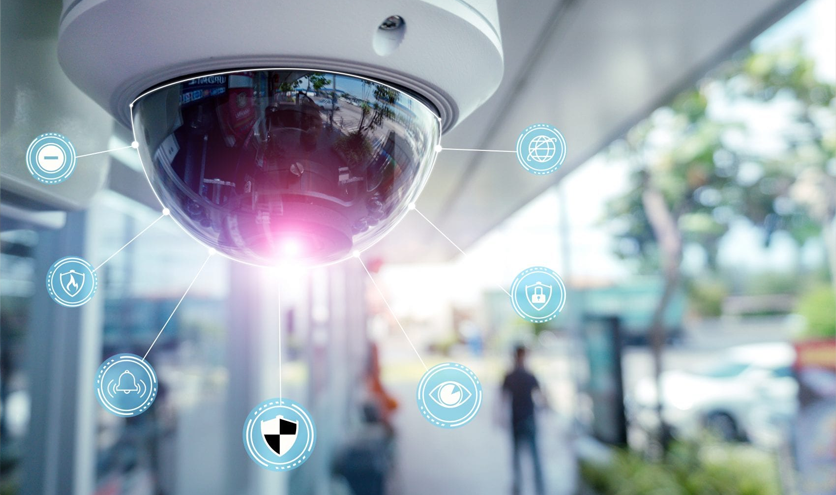
If you want the benefits of installing CCTV for small building, start with what matters most: a CCTV for small building gives real-time visibility, records every incident, and lets you check your place from your phone without standing guard all night.
Simple definition for non-tech readers: CCTV is just cameras + a recorder + an app. Think “eyes on your building that never blink,” plus a library that saves what those eyes saw.
1) Crime gets harder
Ever noticed how your posture changes when you realize a camera is on you? That same moment of hesitation is what keeps intruders away, because a well-placed CCTV system for a small building setup serves as a silent warning that every move is being monitored. Add a clear “CCTV in use” sign near entrances and parking areas, and you have already cut most trouble before it even starts. One camera at face level by the main door can do more than a dozen signs shouting “Keep Out.”
2) CCTV Proof When Something Happens
Moments of chaos don’t last long, but a CCTV for small building records them frame by frame. A timestamped clip turns confusion into clarity, showing who walked in, what happened, and how it unfolded. Be it a broken window or a delivery dispute, that footage becomes your voice when you are not there to speak. Save key clips to the cloud so they stay safe even if the recorder or hard drive goes missing.
3) Safety Across Hallways, Stairs, and Parking
Slippery tiles, dim staircases, and blind parking corners cause most accidents until cameras start watching. When every movement is captured, you can replay exactly what led to a fall or a collision instead of guessing. One small building security camera on each landing and another by walkways instantly makes the whole area safer, because people naturally become more careful when they know their steps matter.
4) Fewer Blind Spots, More Awareness
It is the corners no one looks at, the side gate, the back corridor, the storage room, where problems usually begin. CCTV installation for small building turns those hidden zones into visible spaces. Use a mix of wide-angle lenses for coverage and one zoomed-in view where you need details like faces or license plates. Every hidden area you light up on screen adds another layer of control.
5) Lower Insurance Risk Profile
Insurance companies only accept proofs, and a well-maintained CCTV camera system for small building instantly lowers your risk category because it shows you take prevention seriously. It keeps 14–30 days of stored footage, do a quick monthly test, and note that a simple log can shave real numbers off your premium. Think of it as documenting peace of mind, one checkmark at a time.
6) Fewer Guard Hours, Same Peace of Mind
Think of remote CCTV monitoring as a digital guard who never blinks. One operator can watch dozens of live views from a single screen, no matter the hour. Instead of paying for round-the-clock staff, you can let your cameras handle the night shift and only call in help when something truly needs human eyes. It’s smarter coverage with less payroll and same protection.
7) Quiet Nights, Fast Checks
It’s 2 a.m., when your phone buzzes and, within seconds, you check the feed, see it’s just a delivery truck turning around, and go back to sleep. That is the comfort of remote CCTV monitoring that filters noise from danger, so you stay informed without losing rest. With motion-based rules, your CCTV for a small building only notifies you when something moves where it shouldn’t.
8) Staff and Tenant Confidence Soars
Imagine walking into a lobby that feels calm, not tense. You notice a small camera above the entrance, discreet but comforting. One by the elevator, another near the gate outside. You don’t feel watched; you feel looked after. When management shares how anyone can access footage if needed, people stop worrying about “being recorded” and start appreciating the peace it brings.
9) Better Customer Experience in Every Frame
Let’s suppose a customer is waiting too long at the counter. You don’t need to keep an eye on him to know something is off because the camera already saw it. When you replay the clip, you spot the small delay that caused the line to grow like a tiny change in layout, and tomorrow the flow feels effortless. That is the hidden value of your CCTV for small building: it protects people and experiences.
10) Internal Loss Shrinks Without Distrust
Is there a spot in your building that people overlook, maybe the back door where deliveries stack up, or the cash counter left open for a moment too long? That’s often where small losses start. A well-placed CCTV for small building quietly reminds everyone that safety is everyone’s job. When you blur or block private areas like break rooms, your team feels comfortable while your goods stay protected. Real security works best when it respects people.
11) Vandalism Drops to Near Zero
People who plan to damage property avoid two things: bright lights and cameras. Placing CCTV cameras for small buildings near walls, bike areas, and gates makes them think twice before acting. Just clean the lens once a month and tilt it slightly downward to reduce glare. This small habit can save you thousands in paint and repair costs.
12) Disputes Resolve Faster
When accidents or disagreements happen, guessing rarely helps but footage always does. Whether it’s a parking bump, a delivery issue, or a customer complaint, your CCTV for small building captures everything exactly as it unfolded. Instead of relying on mixed stories or memory, you can review the clip, confirm what really happened, and settle the matter quickly and calmly. With this simple step, small issues never turn into long arguments, and everyone involved feels treated fairly.
13) Stronger Compliance Culture
In every workplace or residential setup, rules work best when people follow them naturally, not out of fear. Small building security cameras create that quiet awareness. When staff, tenants, or visitors know their entries, exits, and safety habits are being recorded, they automatically pay a bit more attention to what they do. Over time, this steady presence builds a culture where safety checks, maintenance routines, and even simple tasks happen more responsibly, without reminders or supervision.
14) 24/7 Recording with Smart Alerts
Old CCTV systems recorded nonstop, wasting hours of footage that no one ever watched. Modern setups are smarter. With motion sensors and time-based rules, your CCTV installation for small building records only when it detects real activity. If something moves after hours, it instantly sends an alert to your phone, letting you see what’s happening without scrolling through endless recordings. It’s like having a night watchman who wakes you only when it truly matters.
15) Simple Remote Access
One of the best things about today’s remote CCTV monitoring systems is how accessible they’ve become. You don’t have to sit in a control room or stay on-site to know what’s happening. With a few taps on your phone or laptop, you can check live feeds, replay a past event, or even share a clip with a technician or insurance agent. That freedom to stay connected from anywhere means you’re always in control, even when you’re away.
16) Grows as Your Needs Grow
Every building starts small, but its needs evolve. Maybe you add new rooms, storage areas, or a parking extension later. An IP CCTV system is designed to grow with you. You can easily connect more cameras, upgrade image quality, or expand storage without replacing your existing setup. This flexibility saves both time and money, ensuring your security system always matches your building’s scale and activity level.
17) Clearer Night Vision
Darkness should never mean uncertainty. Modern CCTV for small building cameras use infrared and low-light technology that keeps every corner visible even after the lights go out. Hallways, parking spaces, and entry doors stay well-covered without needing harsh spotlights that disturb people or waste energy. Whether it’s late-night movement or a delivery at dawn, you still get clear, detailed footage that actually helps when it matters most.
18) Works with Other Security Systems
Your CCTV system doesn’t need to work alone—it can team up with other devices to form a complete security network. When connected with door alarms, motion sensors, or access cards, it reacts intelligently. If a door is forced open, the nearest camera records immediately and sends an alert. This connection between systems builds a safety chain that acts fast, often stopping incidents before they escalate.
19) Smarter Maintenance Decisions
CCTV isn’t only for security, it quietly becomes your building’s health monitor. Reviewing clips can reveal flickering lights, damaged gates, blocked hallways, or cleaning issues before anyone even reports them. When you regularly observe your small building security cameras, you catch small maintenance problems early, saving both cost and complaints. A building that’s well-kept naturally feels safer and more organized for everyone using it.
20) Real Savings Over Time
While installation might seem like an upfront cost, the returns are ongoing. Fewer thefts, reduced guard hours, and quicker insurance claims all translate into real savings. Over time, these financial and operational benefits compound, showing why the CCTV advantages for small buildings go beyond safety—they also make long-term business sense. By preventing losses and lowering recurring expenses, your CCTV setup quietly pays for itself.
21) Peace of Mind You Can Measure
In the end, every feature, every alert, and every clip leads to one goal that is peace of mind. A good CCTV for small building lets you stop wondering and start knowing. You can verify that deliveries arrived, that staff locked up properly, and that nothing unusual happened overnight. It’s the comfort of visibility, where trust comes not from hope, but from proof. That sense of calm is what makes the system truly worth it.

Technical choices, explained in plain language
- Resolution (1080p vs 4K): Higher resolution means clearer faces and plates. It uses more storage, so pair high-detail cameras with motion-based recording.
- Storage (NVR vs cloud): NVR is a box on-site; cloud is off-site. Many go hybrid: keep 14–30 days locally, push important clips to cloud so evidence isn’t lost if gear is stolen.
Network security: Think of it as locking your video so only you can watch. Change default passwords, update firmware, and keep the recorder off the open internet. - User access: Give each person their own login. If someone leaves, remove just that login—simple control.
- Multi-factor login: Use an extra security step like a fingerprint or code so accounts stay safe.
- Privacy signs & consent: Post “CCTV in use” signs in common areas and avoid private spaces like bathrooms. Keep a simple retention policy (e.g., 30 days).
- Power & uptime: If power drops, a small UPS keeps the recorder alive long enough to save files and shut down gracefully.
Placement blueprint for a small building
- Must-cover: Main door, back door, parking entry, stair landings, elevator lobby, delivery bay.
- Nice-to-have: Storage rooms, roof access, trash area, fence line.
- Angles that work: Mount high enough to reduce tampering, tilt to see faces, not just heads. Keep bright lights behind the camera, not facing it.
Cost notes
- Starter kits cover 4–8 cameras with an NVR.
- Spend a little more on entrance cameras—these matter most for faces.
- Budget for cabling, a small UPS, and 1–2 hours of simple training so everyone uses the system correctly.
Common mistakes to avoid
- Using only wide views, faces get too small to identify. Mix one overview camera with a face-level camera at the doors.
- Keeping default passwords. Change them on day one.
- Short storage. Aim for at least 14–30 days so weekend incidents aren’t overwritten.
- No signage. Signs help with deterrence and compliance.
Conclusion
When you stack the benefits of installing CCTV for small buildings, fewer losses, faster incident resolution, safer shared spaces, and always-on visibility, the value becomes obvious. Start with entrances and parking, secure logins, and enough storage. Grow the system as your needs grow.
Frequently Asked Questions
1. Do small buildings really need CCTV?
Yes. Even smaller buildings face risks like theft, vandalism, or unauthorized entry. A CCTV for small building setup provides real-time visibility and stored proof in case anything happens. It’s not about size, it’s about awareness, safety, and control over your space.
2. How many cameras are enough for a small building?
Most small buildings work well with four to eight cameras—covering main entrances, back doors, stairways, hallways, and parking areas. The goal isn’t quantity but coverage: make sure every key point is visible without leaving blind spots.
3. Can I monitor my CCTV system from my phone?
Absolutely. With remote CCTV monitoring, you can check live footage, review past events, and receive motion alerts right from your phone. This means you stay informed even when you’re away, without depending on on-site guards.
4. How long does CCTV footage stay saved?
Most systems keep recordings for 14 to 30 days by default, but you can expand storage or add cloud backup if your building sees more daily traffic. Always set the retention period according to your security and compliance needs.
5. Does CCTV really reduce insurance costs?
Yes, many insurers offer lower premiums when you have a functioning CCTV system with visible signage and proof of maintenance. It shows you take prevention seriously, which lowers your overall risk profile.
