

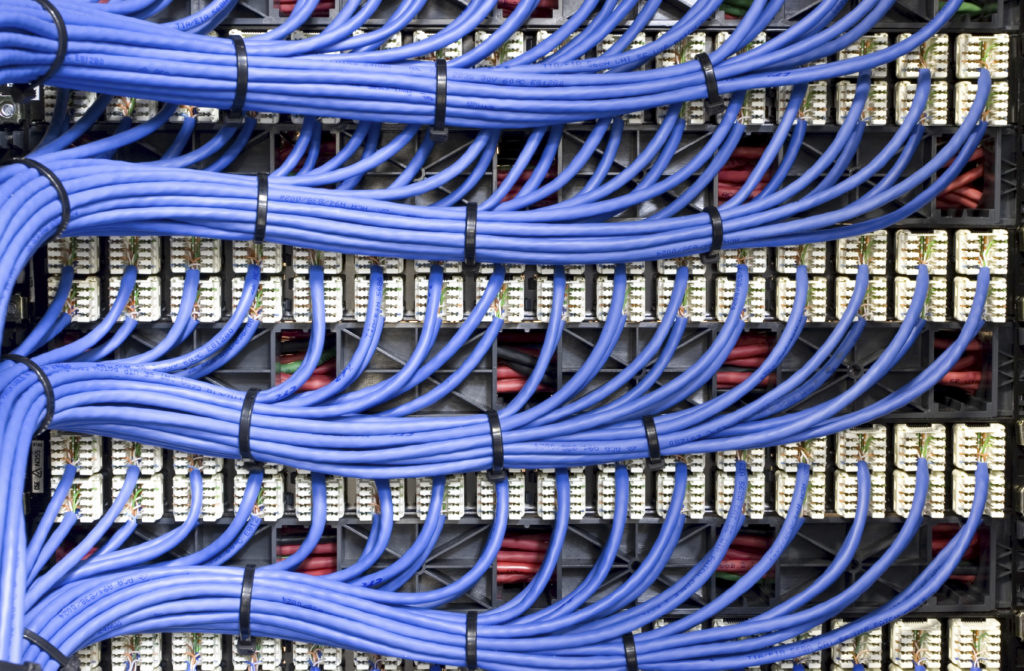
You know that frustrating moment when your video call freezes right as you’re making a big presentation? Or when your movie buffers endlessly right at the best part? Most of us grumble and blame the Wi-Fi. But ask yourself: what if the real secret to a flawless smart home isn’t just about a better Wi-Fi router, but about a hidden network built directly into your walls?
This is the core of a future ready home. As we step into 2026, with AI managing our fridges and 8K screens becoming the norm, the question isn’t just “is my internet fast enough?” but “is my home’s nervous system smart enough?” The answer lies in a powerful wired smart home system. Think of it as the difference between relying on a single, crowded sidewalk and having a dedicated, high speed freeway for all your data. This foundation, this hidden powerhouse, is what we call structured home wiring, and it is what will separate the truly intelligent homes from the merely connected ones.
What Is Structured Wiring? (And Why It’s Not Just “More Wires”)
So, we’ve established that this hidden network is crucial. But you might be wondering, “what is structured wiring” really? It sounds technical, but the concept is simple.
Let’s break it down. Traditional electrical wiring is like the heart of your home, pumping power to your outlets and lights. Structured wiring, on the other hand, is the brain and nervous system. It’s a dedicated network of structured wire—specifically, high-performance cables like Cat6 for internet, fiber optics for fast speeds, and coaxial for video—that travels through your walls. Instead of each device fighting for a weak wireless signal, this system gives everything a direct, super-fast lane to the main network. This entire structured networking setup is what forms the backbone of a truly integrated smart home automation wiring project.
Think of it like the plumbing in your house. You wouldn’t rely on a single garden hose to supply every sink, shower, and appliance, would you? You install separate pipes for hot water, cold water, and maybe even a separate line for your fridge. Structured cabling does the same for your data, giving a clean and strong connection for every device that needs it.
Inside the Wiring Panel: The Nerve Center of Your Smart Home
Now that you understand the “nervous system” of structured cabling running through your walls, you might be asking, “Where does all this wiring actually go?” This is where the true magic happens, inside a central hub often called the network panel for home.
Think of this panel as the mission control for your entire digital life. It’s a sleek, usually metal, box where every single one of those dedicated data cables from every room meets. This isn’t a tangled mess of wires; it’s an organized and intelligent hub. Inside, you’ll find components that manage the flow of information, ensuring your security cameras get priority, your work computer gets a clean signal, and your streaming gets all the bandwidth it needs.
So, what makes this wiring panel for structured wiring so important?
- Centralized Control: Instead of having five different hubs for your internet, TV, and security, everything is managed from one single location.
- Easy Troubleshooting: If a connection in the bedroom fails, you can diagnose and fix it right at the source without tearing into walls.
- Effortless Expansion: Want to add a new gaming console or a smart mirror in two years? The ports are right there, waiting. You simply plug and play.
The Core of Modern Connectivity: How Structured Cabling Powers Your Day
So we have the nervous system (the structured cabling) and the brain (the wiring panel). But what does this actually do for you on a Tuesday evening? This is where the concept of wiring for a smart home becomes real.
Imagine a home where your devices don’t just work; they work perfectly together. This is the power of a dedicated structured cabling for home setup. It’s the reason you can have a video call in your office, while your kids game online in their rooms, and your partner streams a 4K movie in the living room—all without a single stutter, buffer, or “hey, can you get off the internet?” moment.
Let’s break down how this works for the things you use every day:
- Streaming and Gaming: Your smart TV and gaming console plug directly into the wall, getting a pure, un-competed signal. No more Wi-Fi lag at critical moments.
- Rock-Solid Security: Your security cameras and smart locks use a wired connection, which is not only more reliable but also much harder for a potential intruder to jam or hack compared to a wireless signal.
- Instant Voice Control: Your voice assistants respond instantly because their connection to the internet doesn’t have to fight through wireless interference from your microwave or your neighbor’s network.
- Whole-Home Audio: You can play music in perfect sync across every speaker in the house because the audio data is traveling on its own dedicated highway, not a shared wireless road.
Advantages of a Structured Cabling System
So, we’ve talked about the “nervous system” in your walls and the “brain” in the panel. Now, let’s get to the good part: what does this actually do for you? Why is everyone saying it’s a must-have?
Think of it like a strong foundation that doesn’t just hold up your house; it makes everything inside work better. That’s what these advantages of a structured cabling system are all about. It’s the difference between a house that’s just connected and a home that’s truly smart and stress-free.
Here’s a simple breakdown of what you gain:
- High-Speed Performance & Low Latency: Get the full speed you pay for. Stream movies, games online, and video chat with zero lag, because your devices now have a direct “express lane” to the internet.
- Future-Proofing Your Home: Stop worrying about the next big tech trend. This system is built to grow with your family, making it easy to add new gadgets and gizmos for years to come.
- Reliability & Stability: Unlike Wi-Fi that can be flaky, a wired connection is rock-solid. Your lights, locks, and security cameras will respond instantly, every single time.
- Improved Security: A wired network is like a locked door for your data. It’s much tougher for unwanted visitors to sneak in compared to a wireless signal.
- Boosts Property Value: When it’s time to sell, a home with this built-in tech is a huge plus for buyers, making your property more valuable.
- Energy Efficiency: An efficient network helps your smart devices run smoother, which can lower your power bills over time.
These advantages of structured cabling systems all add up to one thing, which is a home that makes your life easier, not more complicated. It’s the peace of mind that your technology is working for you, not against you.
Structured Wiring Installation
Now that you’re excited about the benefits, you’re probably thinking, “Okay, this sounds great, but how do I actually get it into my house?” This is where the right structured wiring installation makes all the difference.
Getting this done right isn’t a weekend DIY project; it’s about a professional and careful setup. The goal is to weave this nervous system throughout your home in a way that’s invisible, organized, and ready for anything. This is precisely why you want expert structured wiring services on the job.
So, what does a professional installation look like?
- A Custom Plan: It all starts with a conversation about your life. A good installer will ask how you use your space, what devices you love, and what you might want in the future. They’ll then create a custom map for all the cabling systems.
- Neat and Tidy Work: Pros don’t just run wires; they run them neatly, label everything clearly at the wiring panel for structured wiring, and ensure the entire setup is clean and safe, following all the right codes.
- Testing Everything: Before they’re done, they’ll test every single connection to make sure your new wired system is performing perfectly as it should.
Building the Smart Homes of Tomorrow
So, the secret to a home that truly keeps up with your life isn’t about adding more gadgets. It’s about building a powerful, hidden foundation that connects everything you already own. This forward-thinking approach removes daily tech frustrations and prepares your space not just for today, but for all the exciting innovations that 2026 will bring.
Tired of dealing with a slow and unreliable network? We don’t blame you.
If you’re ready to leave buffering and dropped connections behind, our team at SafeZone is here to help. We provide Structured Wiring Services designed to bring fast, secure, and scalable connectivity to your home or business. Give us a call at +1 212 911 8597 or visit https://safezone.nyc/structured-wiring-service/ to learn more.
Frequently Asked Questions
- What is structured wiring in a smart home?
Structured wiring is a network of high-performance cables—like Cat6, coaxial, and fiber optics—installed behind your walls to connect your home’s internet, security, and entertainment systems for faster, more reliable performance.
- Is structured wiring better than Wi-Fi?
Yes. While Wi-Fi is convenient, structured wiring provides faster speeds, stronger stability, and better security. It also supports more devices without lag or interference.
- When should structured wiring be installed?
The best time for structured wiring installation is during new construction or major renovations when walls are open, making it easier and more cost-effective to run cables.
- Can structured cabling work with my wireless devices?
Absolutely. Structured cabling complements Wi-Fi by reducing network strain. You can connect mesh Wi-Fi nodes or smart hubs directly to Ethernet ports for stronger wireless coverage.
- What are the main advantages of a structured cabling system?
Structured cabling systems deliver high-speed connectivity, improved reliability, easier troubleshooting, future-proofing for new tech, and increased property value.
