

Ever been in a meeting when the video call freezes, or the Wi-Fi suddenly drops? It’s frustrating, right? Now, imagine that happening across an entire building with security cameras, smart lights, and climate control all fighting for a stable connection. That is usually a sign of an outdated cabling setup. But what if you could build a nervous system for your property that makes everything just… work?
This is where a structured wiring system comes in.
If you’re a building owner or manager asking, “What’s the most effective way to future-proof my property?” you’re asking the right question. The answer isn’t just a faster internet plan, it’s about installing a robust whole-building wiring system. In this guide, we’ll break down the top five structured wiring benefits, showing you exactly how this smart foundation saves money and gets your building ready for the tech of 2026 and beyond. Let’s dive in.
What Is Structured Wiring?
So, we know a smart building needs a smart foundation. But what exactly is it?
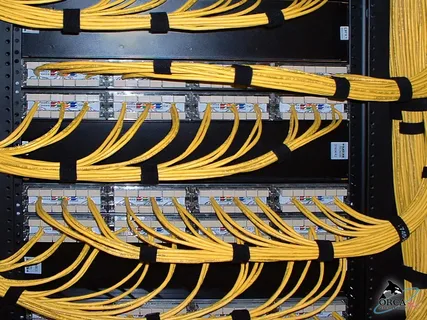
Think of your building’s electrical wiring as its heart, pumping power everywhere. A structured wiring infrastructure is its brain and nervous system. It’s a network of high-performance cables that gives every device, from your computer to the security camera in the lobby, its own super-fast, direct connection back to a central hub.
Instead of a messy spiderweb of cables, it’s a neat, organized system. This means your Wi-Fi gets stronger, your video calls become crystal clear, and adding new tech later is a piece of cake. It’s the first step to unlocking all the structured wiring benefits we’re about to cover.
Top 5 Benefits of Structured Wiring Systems
Now that you understand the “what,” let’s get to the “why.” Why should you invest in this structured wiring system? The advantages go far beyond just tidier closets. These are the five benefits that make this the smartest upgrade for any modern property.
-
Enhanced Reliability and Performance
Remember that frozen video call we talked about? A professional structured wiring installation is the fix for those frustrating dropouts. This system is designed for maximum wiring system reliability and scalability. Because every connection is organized and direct, there’s less signal interference and far fewer points of failure.
Think of it like this: if data were water, a point-to-point system is a series of leaky garden hoses. A structured system is like built-in, copper plumbing which gets the data where it needs to go, fast and without any “leaks.” This reliability is the bedrock for everything else, especially when you’re ready to scale up, which leads us perfectly to our next benefit.
-
Scalability and Future-Proofing
That solid foundation we just discussed isn’t just for today’s needs. One of the biggest benefits of structured wiring is that it’s built to grow with you. Think of a whole-building wiring system like a set of building blocks. Need to add a new smart thermostat on the third floor? Or a bunch of new Wi-Fi points? It’s as easy as plugging them into the wall ports that are already there.
This makes any structured wiring upgrade later on super simple and affordable. You don’t need to tear down walls every time a new gadget comes out. This “easy-to-grow” design is what makes it the smart pick for structured wiring for commercial buildings that plan on being around for a long time, giving you a truly future-proof cabling system. And speaking of handling all that new tech, that brings us to the need for speed.
-
Supports Advanced Technologies and High-Bandwidth Applications
You know how a wide highway can handle more cars without traffic jams? That’s exactly what a structured wiring high-bandwidth infrastructure does for your building’s data. All those smart devices we’ve talked about, including the thermostats, cameras, and video conferencing systems, drink down data. A structured system gives them a multi-lane “data highway” so everything runs smoothly at once, without slowing down.
This powerful setup is an important part of what makes structured wiring systems for buildings so effective. It makes sure your network isn’t just working for today, but is ready to handle the even faster tech of tomorrow, making it a truly future-proof cabling system. And the best part? All this power is surprisingly easy to manage, which saves you a ton of time and money.
-
Cost-Efficiency and Long-Term Savings
Let’s talk about the real-world structured wiring upgrade benefits for your wallet. While the initial setup is an investment, it pays for itself over time. How? Think about the cost of constantly fixing a messy network, or the lost productivity when the internet is down. With a structured system, those problems disappear.
Troubleshooting that used to take hours now takes minutes because everything is organized and labeled. Adding a new employee is as simple as giving them a network cable. This efficiency means lower IT costs and less disruption, making your entire operation smoother and more cost-effective.
-
Simplified Management and Maintenance
Remember the frustration of a network outage? With a traditional setup, finding the one faulty cable is like finding a needle in a haystack. A structured system changes everything. Every cable is neatly organized and clearly labeled in a central panel, turning a hours-long hunt into a five-minute fix.
This means your IT team spends less time crawling under desks and more time on important projects. For you, that means less downtime, lower maintenance costs, and a business that keeps humming along smoothly. This upgrade is a silent superhero that makes the entire system a smart, long-term investment.
Components of a Structured Wiring System
A structured wiring system might sound complex, but it’s really just a team of simple parts working together. Here’s a quick look at the key components:
- The Cables: These are the data highways. You’ll typically find durable copper cables for everyday devices and super-fast fiber optic lines for heavy-duty tasks like connecting different floors or buildings.
- The Patch Panel: This is the system’s mission control. It’s a central hub where all the cables from different rooms meet, making it easy to connect and manage everything in one place.
- The Racks & Cabinets: This is the secure home for your mission control. These sturdy frames hold the patch panels and other equipment, keeping everything organized, safe, and cool.
- Cable Management: This includes simple tools like trays, ties, and labels. They are the unsung heroes that keep everything neat, prevent tangles, and make it easy to trace any wire you need to find.
By working together, these components create a single, unified network that is easy to manage and built to last, forming the true backbone of your modern property.
Structured Wiring vs. Traditional Wiring
As we look ahead to 2026, the gap between a structured system and the old-fashioned “point-to-point” method is wider than ever. Choosing the right system today will decide if your building is future-ready or left behind.
- Organization & Safety: Traditional wiring becomes a tangled “spaghetti junction” over time, creating fire hazards and making it impossible to manage. A structured system is neat, labeled, and safe from day one.
- Troubleshooting Speed: Imagine a network issue arises. With traditional wiring, it’s a day-long treasure hunt. With a structured setup, your IT team can pinpoint and fix the problem in minutes, saving you from costly downtime.
- Space & Adaptability: The old approach wastes valuable space with bulky, messy cable runs. A structured system is organized, freeing up room and making it simple to adapt for new technologies like advanced security systems or AI-powered tools.
- Accidental Damage: In a tangled mess, pulling one wrong wire can take down your entire phone system. The organized nature of structured wiring rules out this risk, giving you true peace of mind.
Get Ready for 2026
As we’ve seen, a structured wiring system is far more than just cables in a wall. It’s the reliable, scalable, and high-performance foundation that turns a building into a truly smart property. From eliminating frustrating downtime to making future tech upgrades a breeze, this organized approach ensures your investment is protected and your operations run smoothly for years to come.
Ready to equip your building for 2026 and beyond? At SafeZone, we specialize in future-proof structured wiring services, installing the highest-grade fiber optics and components to give you the best possible experience. Give us a call at 17182183838 or visit https://safezone.nyc/structured-wiring-service/ to learn more and transform your property’s potential today.
FAQs
What is the future of structured cabling?
The future of structured network cabling will likely see the adoption of new standards, such as Cat9 and further advancements in fibre optics. These developments aim to meet the increasing demand for data and power delivery capabilities.
What are the benefits of having a structure cabling system?
A structured cabling design gives you a comprehensive and well-organized telecommunication infrastructure for businesses and companies, organizations or the government institutions to transmit information, voice, alarm, video or signals through this telecommunication network.
What is the benefit of structured cabling systems being scalable?
Structured cabling is designed to be scalable, allowing businesses to add or upgrade components without reworking the entire infrastructure. This flexibility future-proofs your AV network and minimizes costs in the long run.
What is the lifespan of structured cabling?
The lifespan of structured cabling mainly depends on several factors, including the quality of the materials used, the installation process, and the level of maintenance. Generally, a well-designed and professionally installed structured cabling system should have a lifespan of at least 15 to 20 years.
What is the cost of a structured wiring system?
The cost of a structured wiring system ranges from $1,000 to $9,000 installed for a home, with factors like house size, cable type, and complexity affecting the final price. For commercial installations, costs typically range from $100 to $300 per data drop.
