

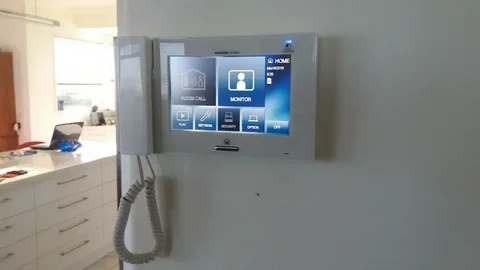
Home security is no longer just about strong locks and alarms. The intercom system you install at your door or gate is becoming a central part of how you protect your home and monitor who comes in. In 2026, we are seeing some exciting changes in intercom systems that make them smarter, more connected, and more useful than ever. Here is a look at the major trends that are explained simply so you’ll know exactly what is changing, why it matters, and how it affects your home security.
- From Audio to Video + Smart Verification
In past years, many homes used intercom systems that only let you talk to someone at the door. In 2026, the trend is moving strongly toward video intercom systems, where you not only speak, but you also see the person at the door. This shift improves home security because you can verify visitors visually before letting them in.
On top of that, smart intercoms now often include features like facial recognition or motion-based alerts. So instead of simply saying “Who’s there?”, the system can match a visitor to a known face, send you a video snapshot when someone rings the bell, or alert you when someone loiters at your gate. These features are no longer just “nice to have,” they’re becoming standard.
Why it matters: You’ll feel safer because you get better information before you open your door. You also get convenience, because you can monitor and speak to visitors even when you’re away from home (for example, via smartphone).
- IP-Based & Wireless Intercom Systems
Another big trend is the move from older wired intercoms to IP-based and wireless intercom systems. This means instead of relying purely on analog wiring or fixed wiring inside walls, the system connects over your home network (WiFi or wired Ethernet) and often uses the internet to communicate.
Wireless intercoms are easier and cheaper to install, especially in modern homes, older buildings, or places where drilling new wires is difficult. IP systems allow remote access, firmware updates, and integration with other smart home components (more on this later).
Why it matters: Installation is more flexible, you get more features for your money, and you can upgrade your system more easily over time.
- Smart Home & IoT Integration
In 2026, the intercom system is no longer a standalone device. It’s part of a broader smart home ecosystem. That means your intercom can talk to your smart lock, security camera, home lighting, even voice-assistant (like Amazon Alexa or Google Assistant).
For example: Someone rings your door. Your video intercom shows the visitor on your phone. If you recognise the person, you press a button on your phone and the smart lock opens, lights turn on in your entry hallway, and your camera begins recording. All this happens seamlessly because your intercom system is integrated.
Why it matters: This connectivity increases your home security and also adds convenience. You don’t just “buzz someone in” you manage access more intelligently and monitor your home in one place.
- Artificial Intelligence (AI) & Analytics
AI is playing an increasingly important role in intercom systems. In 2026 you’ll see features like face recognition, behavior analytics, and automated alerts built into many intercoms. For example, the system might recognise a delivery person who comes regularly and allow quick access, while flagging a stranger lingering around.
Another example: The intercom’s analytics detect patterns (e.g., a visitor at the gate after midnight) and send you a notification. Some systems can even differentiate between a person, an animal, or just a moving object like a tree branch in the wind (reducing false alarms).
Why it matters: Your intercom system becomes more proactive as it does not wait for someone to press the button; it actively monitors and alerts. That enhances your security significantly.
- Privacy, Encryption & Cybersecurity
As intercom systems become connected (via IP, cloud, WiFi), security of the system itself becomes critical. If your intercom is connected to the internet, it can be vulnerable to hacking or unauthorised access. Many 2026-era systems now include strong encryption, secure firmware updates, and standardized security protocols.
It’s important for homeowners to ask: Is my intercom system updated regularly? Is data stored securely (for example, video recordings)? Can I change device passwords easily? These questions matter.
Why it matters: A high-tech intercom that’s insecure is worse than no intercom. With this trend, you’re getting better security not only at your door, but also in how your system protects your data and communications.
- Cloud Storage & Remote Access
Expect more intercom systems in 2026 to support cloud-based features. That means recordings of visitors, access logs, and video footage are stored in the cloud (rather than just on a local device). You can access them via smartphone, tablet, or computer from anywhere.
Why this matters: If you’re away from home (on holiday, business), you can still see who rang your doorbell, listen to the entry audio, and decide what to do (unlock remotely or deny access). And if you move home, the cloud service makes migration easier.
- Scalable Systems for Multi-Dwelling & Flexibility
Homes are turning into larger shared buildings, multi-unit complexes, or you may rent your property out. The trend for 2026 is that intercom systems are becoming more scalable. That means they can grow or shrink depending on your needs.
For example, A wired intercom system might be fine if you have one front door. But if you add a secondary entrance, a gate, or integrate a rental unit, you want an IP system you can expand. Wireless modules can be added. Cloud-based licenses allow you to add users without rewiring.
Why it matters: You don’t need to replace your whole system just because your home setup changes. It adapts with you.
- User Experience & Accessibility Improvements
In 2026, intercom systems are not just for tech-savvy homeowners. They are being built to be easy to use for everyone older users, guests, delivery people, and maintenance staff. Features like one-touch calling, mobile notifications, voice commands, and simple interfaces are becoming common.
Also, accessibility for people with disabilities is improving with larger screens, better audio clarity, integration with hearing aids, and voice assistants.
Why it matters: Home security is only good if you and everyone in your home can actually use it easily. Better user experience means better real-world security.
- Cost Reductions & Wider Adoption
Because of technology advances and manufacturing scale, the cost of advanced features (video, wireless, IP) is coming down. Market reports show strong growth in residential intercom systems worldwide. That means more homeowners can install modern intercom systems without spending a fortune. As adoption grows, prices keep falling, features improve, and maintenance gets easier.
Why it matters: You don’t have to wait. Upgrading your entry-point security is more affordable than ever.
- Sustainability & Energy Efficiency
Another subtle but important trend: intercom systems are becoming more energy efficient, smaller, and more sustainable. Bluetooth or WiFi modules that consume less power, solar-powered outdoor panels, and fewer components are part of the shift.
Why it matters: Lower energy usage means lower maintenance and lower costs over time — a nice bonus on top of the security benefits.
Final Thoughts
In 2026, the role of the intercom system in home security is evolving fast. It is no longer just about talking to someone at the door, but verifying who that person is, integrating with your smart home, securing both your property and your data, and giving you control no matter where you are.
When you keep an eye on these trends: video, wireless/IP, AI, cloud, and usability,y you’ll be in a strong position to choose a home intercom system that works for you. Whether you live in a house, an apartment, or rent out a property, the technological shift means you’ll get better security and convenience at a better cost.
If you’re thinking about upgrading your intercom system or installing one for the first time, now is a great time. You’ll get more features, easier installation, and a smarter way to keep your home safe.
Frequently Asked Questions
Q1. What are the most important features to look for in a home intercom system?
Features such as HD video, remote access via mobile app, multiple access methods (like PIN codes, mobile credentials, facial recognition), and cloud-based management are often cited as key.
Q2. Is a wired or wireless intercom system better for home use?
It depends on your home’s layout and needs. Wired systems are typically more reliable and secure, while wireless (WiFi/IP) systems are easier to install, more flexible, and often cheaper.
Q3. How much does installing a modern intercom system cost?
Costs vary widely depending on system complexity, features, and installation type. Wired systems generally cost more than wireless ones.
Q4. Can an intercom system integrate with other smart home or security devices?
Yes. Many modern intercom systems support integration with access control, smart locks, cameras, and mobile devices, offering both convenience and enhanced security.
Q5. How can I ensure privacy and security when using a video intercom system?
Choose systems with strong encryption, regular firmware updates, secure remote access, and review the vendor’s privacy policy carefully.
